Python vs JavaScript: Which Language Should You Learn First
Python vs JavaScript is the question every new programmer asks before writing a single line of code. Both languages power huge parts of the software world, but they solve different problems in different ways.
Your choice depends on what you want to build, not which language sounds more popular online.
This guide breaks down the real differences between the two languages. You will see how they compare in speed, syntax, job demand, and everyday use so you can pick the one that fits your goals.
By the end, you will know exactly which language to start with and why switching later is easier than most people think.
Understanding The Core Differences Between Python And JavaScript
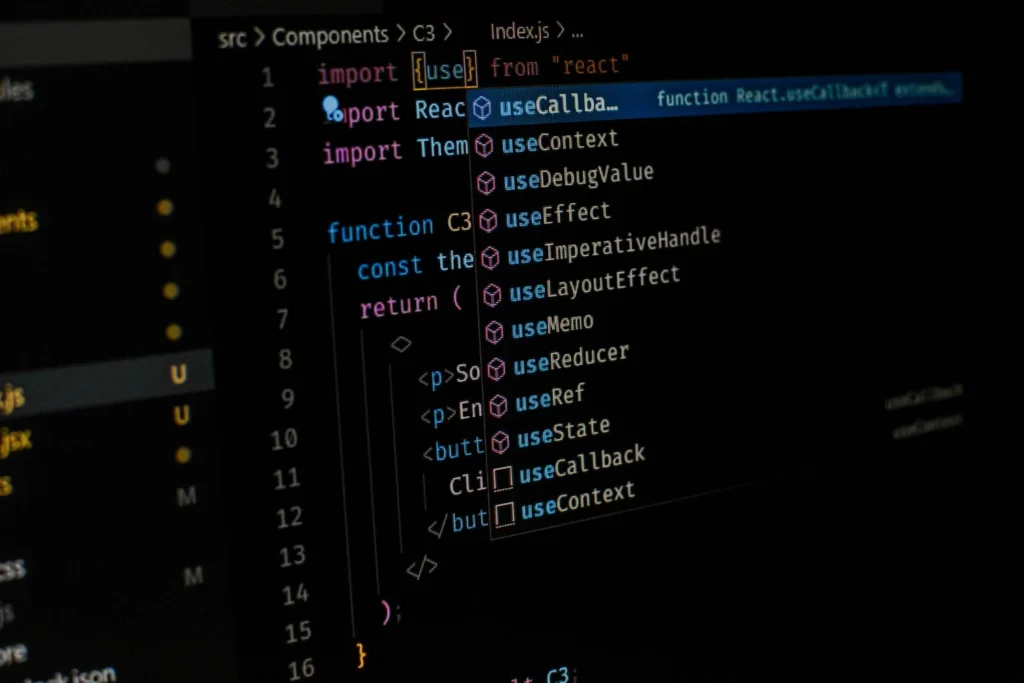
Python and JavaScript were built for different jobs, and that shows in almost everything they do. Python favors clean, readable syntax that reads almost like plain English. JavaScript favors flexibility inside a web browser, which shapes how its code looks and behaves.
You write Python for data analysis, automation, backend systems, and machine learning projects. You write JavaScript to build interactive websites, browser apps, and increasingly, backend servers through Node.js.
Neither language is objectively better. Your project requirements decide which one actually helps you finish faster.
Python runs on a single thread by default and executes code line by line in a predictable order. JavaScript runs asynchronously in most environments, letting your code handle multiple tasks such as clicks and network requests at the same time.
These structural differences affect how you think through problems, not just how you type them.
Performance And Execution Speed
JavaScript often executes faster in real time because modern browsers compile it just before running it. Python trades some raw speed for readability and simpler debugging.
For most beginner and mid-size projects, the speed gap rarely matters. You will notice it more in high-traffic web apps or large-scale data processing.
Syntax And Learning Curve
Python uses indentation to define code blocks, which forces you to write clean, organized code from day one. JavaScript uses curly braces and semicolons, giving you more flexibility but also more room for messy formatting.
Beginners usually find Python easier to read and debug in the first few weeks. JavaScript takes a bit longer to feel natural, especially around asynchronous functions.
Common Use Cases
You reach for Python when you need data science tools, automation scripts, backend APIs, or machine learning models. Python frameworks like Django and Flask make backend development fast and structured.
You reach for JavaScript when you need anything that runs in a browser, from simple animations to full single-page applications. Frameworks like React and Vue sit on top of JavaScript to speed up frontend work.
Community And Job Market
Both languages have massive, active communities with endless tutorials, forums, and open-source libraries. Python leads in data science, research, and AI roles, while JavaScript dominates web development job listings.
Learning either one connects you to millions of other developers solving similar problems. You will rarely feel stuck without help.
Choosing The Right Language For Your Goals
Your background and end goal matter more than general opinions about which language wins. Match the language to the outcome you actually want.
If You Want To Build Websites
Start with JavaScript. It runs natively in every browser, so you see results immediately without extra setup.
If You Want To Work With Data Or AI
Start with Python. Its libraries for data analysis, statistics, and machine learning are the industry standard.
If You Want Backend Development Flexibility
Learn both eventually. Python and JavaScript each have strong backend frameworks, and knowing both makes you far more hireable.
Final Thoughts On Python Vs JavaScript
Picking between Python vs JavaScript comes down to what you want to create, not which language trends more online. Python rewards you with clean syntax and strong data tools.
JavaScript rewards you with browser control and frontend flexibility. Try writing a small project in each language before committing fully.
You will feel which one matches how you think within a few hours of practice.
Many developers end up learning both languages within their first two years. Your skills stack, they do not compete against each other.
Whichever language you start with, consistency matters more than the choice itself. Show up daily, build small projects, and the language differences will make sense the more code you write. Students rely on essay services https://essaypro.com/python-homework-help to receive professionally crafted assignments that support learning while meeting strict formatting and quality expectations.